If you ask most people what the holidays do to a supply chain, they picture packages piling up at their front door. If you ask a cold chain 3PL, the picture looks different: it’s a turkey run that has to hit dozens of distribution centers in a two week window, frozen pie shells and green bean casserole mix racing the same clock.
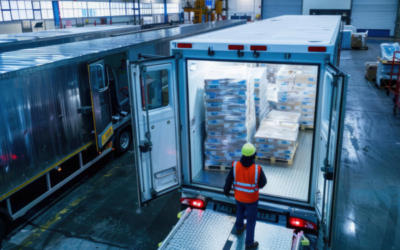
Turkey is also just the headline item. Behind it comes everything that shares a truck and a freezer case with it. Frozen sides, whipped topping, cranberry products, and the fresh produce that rounds out the table move through the same cold storage network that has to flex for all of it at once. Grocers now run two fulfillment systems at once to handle it: normal store replenishment alongside a fast growing wave of meal in a box bundles sold through curbside pickup and same day delivery, a shift Blue Book Services notes is forcing distribution centers to carry more perishable inventory and send refrigerated trucks on shorter, more frequent routes rather than fewer, fuller ones.
Then there’s the part of the holiday food supply chain that didn’t really exist a decade ago: frozen direct to consumer gifting. Charcuterie boards, prepared entrees, holiday cookie doughs, and gourmet frozen meal kits now ship straight to doorsteps instead of store shelves a shift that lines up with what the American Frozen Food Institute is seeing industry wide, as frozen food moves from backup option to planned, everyday purchase. That means the cold chain doesn’t end at a distribution center anymore; it ends at someone’s front porch. That last leg is unforgiving. A few hours of delay in unpredictable weather can turn a gift into a loss, and there’s no retrying for a spoiled holiday order.
What ties all of this together isn’t volume alone; it’s that every one of these products is judged on the same two things: whether it arrived on time, and whether it stayed at temperature the entire way. A frozen entree that’s a day late is a customer service problem. A frozen entree that thawed and refroze is a food safety problem. During the highest volume, highest pressure weeks of the year, that distinction is where your cold chain logistics either earns its keep or doesn’t.
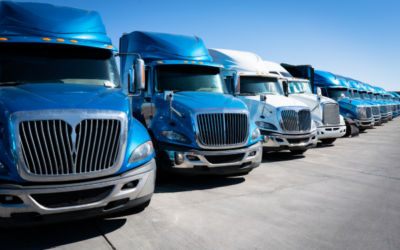
This is the exact environment RLS has built around for more than five decades. Every facility in our network is BRCGS certified, which matters when volume spikes and there’s less margin for a temperature deviation to go unnoticed. And because RLS moves freight through our vetted carrier network rather than a single owned fleet, we’re not boxed in by one company’s available trucks during the exact weeks when every reefer in the country is spoken for. That flexibility is what lets a turkey shipment, a pallet of frozen sides, and a batch of DTC holiday gift boxes all move through the same network without one competing against the other for space. The holidays don’t give the cold chain a grace period.
If your frozen or refrigerated program isn’t locked into carrier and storage commitments yet, the next few weeks are the window to change that before the season decides it for you.
ABOUT RLS LOGISTICS: Headquartered in Glassboro, NJ, RLS Logistics is a family-owned, third-party logistics provider specializing in value-added cold chain solutions, including LTL and FTL transportation, cold storage warehousing, and direct-to-consumer fulfillment. Founded in 1968, the company has been owned and managed by the Leo family for over 55 years and has grown into a leading integrated cold chain 3PL. For more information, visit https://www.rlslogistics.com/. Interested in joining one of the region’s leading temperature controlled logistics providers offering transportation, 3PL warehousing, packaging, and distribution services? Visit https://rlslogistics.com/logistics-careers.